Deep Dive: Your Quality Plan Is Not Your Quality System
Description
Show Notes
Your Quality Plan Is Not Your Quality System
In this LabReflex deep dive, we break down a simple but important inspection-readiness idea:
A quality plan is what the lab says it does. A quality system is what actually happens when something goes wrong.
Many labs prepare for inspection by trying to show that failures never happen. But real quality is not about pretending the lab is perfect. It is about having a consistent, repeatable system for detecting problems, documenting them, reviewing them, correcting them, verifying the fix, and improving over time.
Key framework
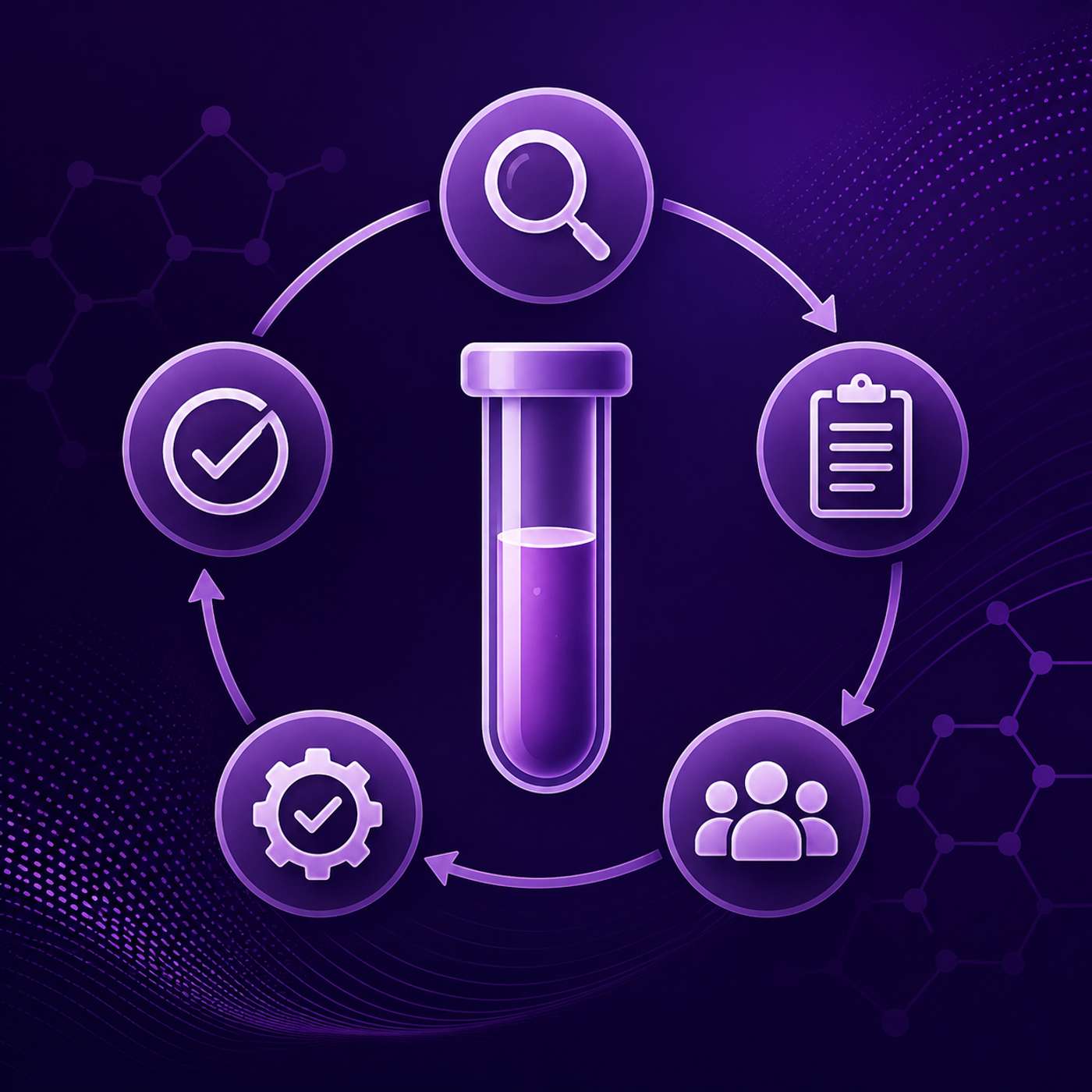
Detect → Document → Review → Correct → Verify → Improve
A strong quality system makes follow-up obvious.
It helps the lab answer:
- How did we know there was a problem?
- Where was it documented?
- Who reviewed it?
- What changed?
- Did the fix work?
- What improved because of it?
Main example
We use critical value notification delays as an example.
A weak response is:
“Staff were reminded.”
A stronger response asks:
- Why were the calls delayed?
- Was there a shift-specific pattern?
- Were contact numbers correct?
- Was the escalation process clear?
- Did the lab audit afterward to prove improvement?
Big takeaway
The strongest labs are not the ones that claim they never have problems.
They are the ones that can show their quality system in action.
The goal is not perfection. The goal is control, learning, and consistent improvement.
Discussion
Loading comments...
Subscribe and Listen
Listen to LabReflex using one of many popular podcasting apps or directories.