All Episodes
Every episode, from the latest back.
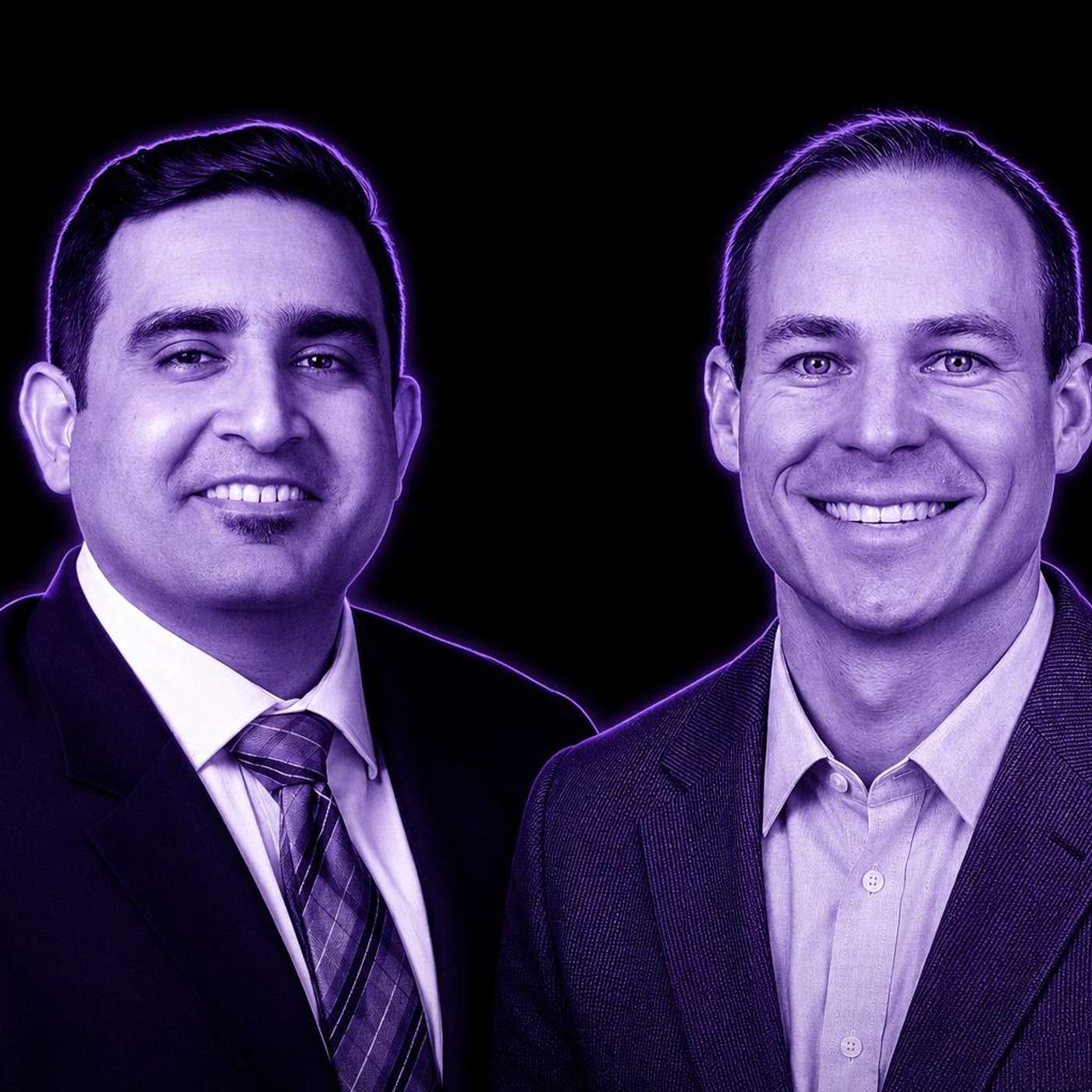
What Inspectors Actually Ask Your Staff (And Why It Matters)
April 20, 2026
What Inspectors Actually Ask Your Staff (And Why It Matters) Episode Summary An inspector walks up to a technologist and asks a simple question. Within seconds, they already know something about your lab. In this episode, we break down what inspectors are really doing in those conversations and why it matters more than most labs realize. This is not about catching mistakes or testing knowledge. It is about whether your lab actually functions as a consistent, aligned system. We also touch on what is changing in the background. Lab turnaround time is now showing up alongside hospital throughput metrics, CMS continues to push on ED flow and length of stay, and health systems are moving toward more centralized oversight. Labs are being evaluated as systems, not just technical services. Core Insight Inspectors are not testing your staff. They are evaluating your system through your staff. What Inspectors Are Actually Looking For Consistency across people, alignment between SOPs and real practice, and evidence that your processes are reliable. Every answer they hear is just a piece of a larger picture of how your lab really runs. The Three Questions That Reveal Everything - What do you do when QC fails. This is about real-world error handling and escalation. - How do you know this instrument is working correctly. This separates memorization from true understanding. - What do you do with an unexpected result. This is where clinical judgment and confidence show up. The Real Failure Mode Most labs do not fail because people do not know enough. They fail because the system drifts. Documentation, training, and culture slowly stop lining up, and you start getting answers that do not match each other or the system. What Strong Labs Do Differently People give consistent answers across roles and shifts, explanations are simple and natural, and leadership supports without over-intervening. Confidence is not personality. It is alignment. Key Quotes They are not evaluating the person. They are evaluating the system through the person. It is not the answer. It is whether the answer matches the system. Most labs do not have a knowledge problem. They have an alignment problem. Unexpected results are where protocols end and judgment begins. Do not wait for an inspector. Ask the question yourself. Next Episode We will stay on this theme and look at how labs prepare for inspections and where most preparation strategies fall short. This is about as tight as it gets while still feeling like you and not like marketing copy. If you want it even sharper, we can compress it into a single LinkedIn-style block.

Strain Without Collapse: What This Week Says About the Lab Ecosystem
April 13, 2026
In this episode of LabReflex, Dr. Christopher Zahner and Dr. Aakash connect this week’s major laboratory-relevant developments with a practical, real-time look. Chris and Aakash begin with several key highlights from the past week: Federal budget proposal and healthcare funding Ongoing proposals signal potential reductions in public health and research funding. While not immediate, these trends may place long-term pressure on laboratory reimbursement, staffing, and operational resources. Iran conflict and laboratory costs The current geopolitical situation is not disrupting laboratory supply chains directly, but it is contributing to rising energy and shipping costs—ultimately increasing the cost of running a lab. CDC pause of specialized infectious disease testing The temporary halt of certain low-volume, high-complexity tests highlights how much the system relies on centralized public health laboratories—and what happens when that capacity is strained. Birthright citizenship and laboratory workforce/access Ongoing legal discussions may influence both patient access to care and the long-term attractiveness of the U.S. for international laboratory professionals. Measles cases and public health strain Localized increases in measles cases are not a crisis, but they serve as a signal of pressure within public health systems, where even small increases in demand can have outsized effects. Measles Outbreak Map: https://www.arcgis.com/apps/dashboards/dd314001921f4d2eac160f89ded0b49a While none of these stories are directly about inspections, they shape the environment in which laboratories operate—impacting cost, staffing, and system resilience. In this episode you will hear How current events are shaping laboratory operations and inspection readiness Why rising costs and system pressures matter for day-to-day lab function What the CDC testing pause reveals about public health infrastructure How workforce and access issues may impact the future of laboratories

The System Is the Story: How Labs Are Really Evaluated
April 6, 2026
The System Is the Story: How Labs Are Really Evaluated Laboratory inspections are often framed around findings, deficiencies, and outcomes. But long before any citation is issued, inspectors are already forming a conclusion about the laboratory. They are not simply evaluating results. They are evaluating systems. In this episode of LabReflex, Dr. Zahner and Dr. Aakash continue their inspection series by exploring a less visible but more foundational layer of laboratory evaluation: the human system. Through recent regulatory signals and real-world failure examples, this conversation examines how oversight operates continuously in the background—and how laboratories are ultimately judged by their ability to demonstrate control over training, competency, and personnel. Rather than focusing on individual performance, this episode reframes inspection as a structured attempt to determine whether a laboratory can consistently prove that its people are qualified, supported, and operating within a stable system. Weekly Highlights CLIA Oversight as a Continuous System, Not an Episodic Event Recent updates from the Centers for Medicare & Medicaid Services (CMS) include the release of materials for the CY2026 CLIA State Agency Performance Review (SAPR), which evaluates how inspection programs are conducted across the country. These updates highlight an often-overlooked reality: inspection is not an isolated event, but part of a continuously monitored system. State agencies themselves are evaluated for: Consistency of inspections Timeliness of oversight Alignment with federal standards This reinforces a key concept explored in the episode—laboratories exist within an oversight structure that is always active, even when no inspection is currently underway. A1c Bias Recall and the Challenge of Invisible Error The U.S. Food and Drug Administration (FDA) recently classified a Class II recall involving the Siemens Atellica CH Enzymatic Hemoglobin A1c assay. Under certain analyzer conditions, the assay may produce falsely low HbA1c results, introducing the risk of delayed diagnosis or underestimation of disease severity. Unlike overt system failures, this type of issue is subtle. The instrument continues to function, and results remain plausible. This highlights a critical theme: laboratory safety depends not only on instruments and quality systems, but on whether human oversight systems are strong enough to detect problems that are not immediately obvious. Deep Dive: The Human System of the Laboratory Personnel Files as the First Expression of System Control Inspection often begins not at the bench, but in documentation. Personnel files serve as the laboratory’s first formal representation of control. They define who is qualified, how individuals were trained, and whether competency has been established and maintained. As discussed in the episode, inspectors frequently encounter the laboratory through these records before observing any technical work. “Inspectors meet your paperwork before they meet your people.” When documentation is incomplete, inconsistent, or appears retrospectively assembled, it introduces uncertainty about whether the laboratory maintains continuous control over its personnel systems. In this way, personnel files are not administrative artifacts—they are system-level claims that must withstand scrutiny. Competency as Evidence, Not Documentation Competency assessment is one of the most structured requirements under CLIA, yet one of the most commonly misunderstood in practice. Regulations require: Defined competency elements Assessment at specified intervals Ongoing documentation However, over time, competency can drift from an evaluative process into a procedural task. Rather than serving as evidence of real observation and oversight, it risks becoming: A checklist A scheduled requirement A repetitive documentation exercise This shift is subtle but significant. The issue is not whether competency forms are completed. It is whether they demonstrate that meaningful evaluation has occurred. As explored in the episode, competency should be understood as evidence of oversight over time, not simply confirmation that a process was followed. New and Experienced Personnel Reveal Different System Weaknesses Laboratories often intuitively trust experienced staff while focusing more attention on new hires. Inspection does not follow that same logic. New personnel introduce risk through: Rapid onboarding Variable training experiences Incomplete early documentation Experienced personnel introduce a different risk: Assumed competence Reduced observation Gradual divergence from documented procedures These are not opposing problems—they are complementary. Together, they reveal whether the laboratory applies consistent systems of oversight, regardless of tenure. As emphasized in the discussion, inspection is not a judgment of experience. It is a judgment of whether systems are robust enough to support all personnel equally. Inspection as Evaluation of Systems, Not Individuals At its core, inspection is not an assessment of isolated individuals. It is an attempt to determine whether the laboratory functions as a coherent and reliable system. Inspectors evaluate whether: Training is standardized Documentation reflects reality Competency is ongoing and meaningful Practices are consistent across staff and shifts Variability in any of these areas becomes highly visible during inspection. Differences between employees, inconsistencies across shifts, or misalignment between written procedures and observed behavior all suggest underlying system instability. These observations are not interpreted as isolated errors. They are interpreted as signals about the structure and reliability of the laboratory itself. Closing Reflection Inspection does not begin when inspectors arrive, and it does not end when they leave. It is part of a broader system designed to evaluate whether laboratories can consistently demonstrate control over how work is performed. This episode reframes a central question: Not whether laboratory personnel are competent, but whether the laboratory can prove—clearly, consistently, and over time—that competency is real.

Diagnostics as Infrastructure: Flow, Distance, and Financial Reality
March 30, 2026
Diagnostics as Infrastructure: Flow, Distance, and Financial Reality The modern laboratory is no longer defined only by analytical excellence. It is being evaluated as infrastructure. Hospital systems increasingly depend on diagnostics to move patients, stabilize operations, and manage financial exposure. At the same time, professional practice models are stretching across geography while regulatory frameworks remain uneven. Overlaying all of this is a reimbursement environment shaped less by policy consensus and more by legislative mechanics. In this episode, we explore three signals that reflect this transition — followed by a focused inspection summation discussion. Weekly Highlights Hospital Access Metrics and Diagnostic Throughput New CMS emphasis on emergency care access and timeliness reinforces the operational importance of diagnostic turnaround. While laboratory performance is not directly specified in quality language, throughput dependency on testing pathways is increasingly visible at the executive level. Diagnostics is becoming embedded in flow governance. Remote Oversight and Distributed Diagnostic Practice Recent regulatory developments affecting remote review, alongside state-level debates over supervision models, illustrate a widening gap between digital capability and regulatory alignment. Distributed expertise is expanding, but institutional frameworks are adapting unevenly. Laboratory Reimbursement Reform Pathways Temporary federal action on payment reductions has shifted the policy landscape. The central issue is no longer whether reform is needed, but how it will be enacted. Legislative vehicle selection now shapes the financial trajectory of diagnostic medicine. Deep Dive: When the Lab Becomes Infrastructure 1. Flow Is Now a Diagnostic Outcome Length of stay, boarding, and access delays are increasingly interpreted through operational analytics that include diagnostic timing. Testing pathways now influence: Bed availability Clinical decision cadence Emergency department throughput Cost attribution models This represents a conceptual transition. The laboratory is no longer solely a service. It is a dependency within system movement. 2. Distance Is Redefining Practice Digital pathology, centralized expertise, and workforce realities are driving distributed oversight structures. Yet regulatory models remain rooted in physical-site assumptions. This produces friction: Technology enables distributed interpretation Governance frameworks remain location-based The profession is entering a period of structural negotiation between capability and compliance. 3. Finance Is Becoming Structural Rather Than Cyclical Reimbursement discussions increasingly occur within broader fiscal negotiations rather than discipline-specific policy forums. This signals maturation of laboratory economics as a system-level concern. Future financial stability may depend less on advocacy alone and more on alignment with macro healthcare funding dynamics. Inspection Debrief The Summation Phase Inspection summation is not merely a closing ritual. It is a diagnostic moment for the organization. The summation synthesizes: Operational vulnerabilities Cultural patterns Leadership engagement System reliability Effective summations distinguish between isolated deficiencies and systemic signals. For laboratories, the challenge is not only to correct findings but to interpret what those findings reveal about underlying design. Translating Findings into Institutional Learning High-performing laboratories use summation as a strategic input rather than a compliance endpoint. Key questions include: Does this finding reflect workflow design or execution variability? Is leadership aligned on the operational implications? What patterns emerge across inspection domains? How does the organization’s response influence long-term stability? The Human Dynamics of Summation The summation encounter reflects organizational psychology. Composure, transparency, and interpretive maturity often correlate with long-term performance more than technical perfection. Inspection is observational science applied to systems. The summation is where that observation becomes narrative. Monday-Morning Takeaways • Diagnostic services are increasingly evaluated through operational performance lenses. • Distributed practice models will expand faster than regulatory harmonization. • Laboratory financial stability is becoming tied to broader legislative dynamics. • Inspection summation should be treated as strategic feedback, not procedural closure.

The Inspection in Motion: What Inspectors Are Really Doing
March 23, 2026
The Inspection in Motion: What Inspectors Are Really Doing Laboratory inspections are often described as events. But once the logistics settle and interviews begin, the inspection becomes something else entirely. It becomes observation. In this episode of LabReflex, Dr. Christopher Zahner and Dr. Aakash continue their inspection series by exploring what happens during the active working phase of an inspection — when inspectors move beyond preparation and begin trying to understand how a laboratory actually functions. Rather than focusing on findings or outcomes, this conversation examines the mechanics of the inspection itself. Chris and Aakash discuss what inspectors are looking for when they observe workflows, revisit questions, and focus their attention on certain processes. The goal is not to interpret every action as a signal of deficiency, but to understand inspection behavior as a form of system assessment. This episode frames inspections not as episodic stressors, but as structured attempts to map risk and evaluate how laboratory systems behave under real-world conditions. Weekly Highlights National Laboratory Advocacy Signals and the Expanding Role of Governance Recent advocacy activity from pathology organizations highlights growing national attention to how emerging technologies — including AI — will be governed in laboratory medicine. These conversations emphasize that oversight frameworks developed in accreditation environments may shape future regulatory expectations. Industry Intelligence Points to Increasing Audit Scrutiny Recent industry reporting suggests laboratories should anticipate heightened audit and inspection activity. This shift reflects multiple converging pressures, including post-pandemic normalization of oversight cycles, ongoing reimbursement scrutiny, and the increasing systemic risk associated with large integrated diagnostic networks. Health System Investment in Centralized Pathology Infrastructure A major health system recently announced plans to construct a new centralized pathology facility while maintaining diagnostic continuity across its network. These investments illustrate the ongoing evolution toward enterprise-level diagnostic governance and raise important questions about how quality oversight is maintained during periods of operational transition. Deep Dive: The Mechanics of an Active Inspection Inspections Transition from Coordination to Understanding Once the initial logistics are complete, inspectors begin to focus less on documentation retrieval and more on observing how systems function in practice. This phase reflects an effort to understand operational stability rather than simply verify procedural compliance. Inspectors Map Risk Through Observation and Pattern Recognition Inspection activities during this phase often involve revisiting workflows, asking similar questions in different contexts, and observing routine laboratory operations. These actions are not necessarily signals of concern, but part of a broader effort to construct an integrated understanding of laboratory risk. Direct Observation Validates Documentation Policies and procedures establish expectations, but direct observation determines whether those expectations are consistently realized. Inspectors use real-time workflow assessment to evaluate training effectiveness, system reliability, and operational coherence. Leadership Responsibilities Shift During the Working Phase At this stage, laboratory leadership moves from preparing for the inspection to stabilizing the organization while it is being observed. Maintaining operational normalcy, supporting staff confidence, and ensuring clarity of communication become critical leadership functions. Interpreting Inspection Signals Without Overreaction Inspection curiosity does not inherently imply deficiency. Effective leadership requires interpreting inspection behavior thoughtfully while avoiding premature corrective actions that may introduce additional instability.

Lab Inspection Debrief: Staff Interviews and Lab Coordination
March 16, 2026
Laboratory inspections are not just about documentation and policies. They are also about the people who make the laboratory function every day. In this episode of LabReflex, Dr. Christopher Zahner and Dr. Aakash continue their inspection debrief series by discussing two important parts of the inspection process: staff interviews and inspection coordination. Inspectors spend a significant amount of time talking with technologists, supervisors, and laboratory leaders. These conversations help inspectors understand how procedures are actually carried out and how well the team understands the work they do. Chris and Aakash explain how inspectors approach these discussions and why interviews are meant to understand the laboratory rather than catch staff off guard. The conversation also explores the logistics behind a smooth inspection. Good coordination makes a huge difference. When laboratories organize document requests, assign escorts, and maintain clear communication, the entire process becomes far less stressful for both the inspection team and the laboratory staff. This episode highlights how preparation, teamwork, and transparency can turn an inspection into a constructive experience for everyone involved. In this episode you will hear What inspectors are really looking for when they talk with laboratory staff How laboratories can prepare employees for interviews without over rehearsing Why honest and thoughtful answers matter more than perfect ones The role of laboratory leadership during the inspection How strong coordination keeps the inspection organized and efficient Key takeaway A successful inspection depends on more than policies and documentation. It depends on knowledgeable staff, open communication, and a laboratory team that works together throughout the process.

Lab Inspection Debrief: The Opening Meeting and the Lab Tour
March 9, 2026
What really happens in the first moments of a laboratory inspection? In this episode of LabReflex, Dr. Christopher Zahner and Dr. Aakash walk through the very beginning of the inspection process, focusing on the opening meeting and the laboratory tour. These first interactions often shape the tone of the entire visit. Before any records are reviewed or deficiencies are discussed, inspectors are forming impressions about the laboratory, the team, and how the lab operates. Chris and Aakash talk through what inspectors are hoping to accomplish during the opening conference, how laboratories can set themselves up for a smooth inspection, and why these early conversations are more important than many people realize. They also discuss the lab tour, which gives inspectors their first real look at workflow, organization, and the overall culture of the laboratory. Small details can reveal a lot, and the tour often helps inspectors understand how policies and procedures translate into everyday practice. This episode is a behind the scenes look at how inspections begin and what laboratories can do to make those first moments productive and collaborative. In this episode you will hear: What inspectors are hoping to learn during the opening meeting How introductions and tone can influence the entire inspection Why the laboratory tour provides valuable insight into daily operations Common early inspection mistakes laboratories sometimes make Simple ways labs can start the inspection process with confidence Key takeaway: The opening meeting and the lab tour are not just formalities. They are an opportunity to establish trust, set expectations, and begin the inspection as a professional collaboration.

Tariffs rejected
March 2, 2026
LabReflex Three Forces Shaping the Lab This Week: Tariffs, Digital Pathology, and Genome First Care This week’s episode connects three very different headlines that all land directly inside the clinical laboratory. We discuss a Supreme Court ruling on tariffs, a major digital pathology deployment, and a new clinical whole genome sequencing initiative for pediatric rare disease. On the surface, these topics seem unrelated. In practice, they all affect how laboratories operate, spend, and plan for the future. We begin with the recent Supreme Court decision striking down certain Trump era tariffs that had been implemented under the International Emergency Economic Powers Act. US Customs has stopped collecting the affected tariffs, but the situation around refunds remains uncertain. While trade law may feel distant from everyday lab operations, tariffs directly influence the cost of analyzers, reagents, consumables, and replacement parts. Many laboratory supplies rely on imported components. Even modest trade shifts can create pricing volatility, contract changes, and supply chain disruptions. We discuss what lab leaders should be watching in vendor agreements and procurement planning. Next, we turn to digital pathology. Labcorp announced an expanded collaboration with PathAI to deploy its FDA cleared digital pathology platform across its anatomic pathology network. This signals that digital pathology is no longer experimental. It is infrastructure. We talk through what this really means operationally, including scanner throughput, storage demands, validation studies, display calibration, IT integration, and ongoing quality oversight. Digital pathology is not simply about scanning slides. It represents a workflow transformation. We also discuss how artificial intelligence tools fit into this landscape and the difference between decision support and automation. Finally, we examine a new clinical whole genome sequencing initiative in Florida focused on pediatric rare disease. Illumina announced it will provide clinical sequencing and interpretation services to support this program. This reflects a shift toward genome first diagnostic strategies aimed at shortening the diagnostic odyssey for children with complex or undiagnosed conditions. We explore the laboratory implications, including variant interpretation, management of variants of uncertain significance, reanalysis policies, and coordination with clinical teams. Even laboratories that do not perform sequencing in house may feel the impact through changing send out patterns and evolving clinician expectations. Taken together, these three stories illustrate the pressures shaping modern laboratory medicine. Policy decisions influence cost. Technology reshapes workflow. Genomics alters the test menu and diagnostic strategy. The laboratory is no longer insulated from these broader forces. It sits at the center of them. If one of these developments is affecting your laboratory, whether through rising costs, digital implementation challenges, or expanding genomics demands, we welcome your perspective and feedback for future episodes.

Shifting Hospital Needs and Inspection Evidence
February 23, 2026
Inspection Prep: Documentation — What the Paper Trail Really Says Documentation isn’t paperwork. It’s system memory. Inspection anxiety often focuses on instruments, QC, and staff performance. But one of the most common reasons laboratories receive deficiencies has nothing to do with chemistry. It has to do with alignment. Your testing can be technically excellent. Your staff can be competent and conscientious. And you can still be cited — because the story your documentation tells does not match the system you’re actually running. In this episode, we examine why documentation gaps persist in good laboratories and what inspectors are really evaluating when they start reading before they start observing. Weekly Highlights Lab Turnaround Time on the Command Center Wall Major health systems such as Cleveland Clinic and Johns Hopkins Medicine continue expanding centralized operational command centers that track emergency department flow, ICU capacity, transfers — and laboratory turnaround time. Lab TAT is no longer just a laboratory metric. It is a hospital throughput variable. When turnaround time appears alongside bed availability and ED boarding, variability becomes visible at the executive level. Visibility increases scrutiny — and increases the importance of documented review, explanation, and control. Esoteric Testing Is Quietly Centralizing Highly complex molecular and rare disease testing continues consolidating into national reference laboratories such as Quest Diagnostics and Labcorp, along with large academic centers. Hospital laboratories are narrowing in-house menus and expanding send-outs. As testing moves outward, courier logistics, specimen stability, and communication pathways become more important. Documentation and oversight must evolve when expertise is geographically redistributed. Utilization Management Moves into the LIS Payer-driven frequency edits, reflex restrictions, and medical necessity prompts are increasingly embedded directly into laboratory information systems. Laboratories are building utilization logic into ordering workflows rather than managing denials after the fact. This shifts the lab’s role from passive performer to active steward of diagnostic utilization. When policy logic lives inside the LIS, it must be clearly defined, consistently applied, and defensible. Multi-Site Oversight and Remote Medical Direction Consolidation continues to expand multi-site laboratory structures. In many systems, one medical director oversees multiple laboratories, often remotely. QC review, proficiency testing evaluation, and competency oversight may be conducted digitally. In this environment, documentation becomes the primary evidence of active engagement. Inspectors rely on traceable review and clearly defined responsibility — not physical presence. Outpatient and Community Expansion As inpatient services contract in some regions, outpatient and community-based laboratory access points continue to grow. Organizations such as Quest Diagnostics and Labcorp are expanding patient service centers, and health systems are increasing ambulatory draw sites. The laboratory is increasingly a logistics enterprise. Courier reliability, transport conditions, and pre-analytic variability become central risks. Clear policies and consistent documentation are essential when geographic complexity increases. Deep Dive: Documentation as System Truth What Inspectors Read First Inspectors do not begin with analyzers. They begin with documents. Standard operating procedures, QC summaries, validation records, personnel files, and corrected report logs provide an early signal of system stability. Documentation reveals whether change is controlled, oversight is active, and processes are consistent. The tone of an inspection is often set before the first bench is observed. Organized, current, traceable documentation suggests system control. Fragmented or inconsistent documentation suggests instability — and invites deeper scrutiny. Documentation is not decorative. It is a proxy for governance. The Physics of Drift Most documentation findings are not dramatic failures. They are the result of gradual drift. Laboratories evolve constantly. Workflows adapt. LIS builds change. Staff turnover occurs. New testing is added. Yet documentation often lags behind operational reality. An SOP may describe a workflow that has subtly changed. A review may be occurring regularly, but signatures appear inconsistently. A competency checklist may be completed, but not deeply evaluated. Individually, these seem minor. Under inspection, they signal misalignment. Inspectors are evaluating coherence — not perfection. The Three-Story Test Every inspection quietly compares three narratives: What policy says you do What your records show you did What inspectors observe you doing When those three stories align, inspections remain technical and focused. When they diverge, credibility erodes. Documentation findings often feel personal. But they usually reflect structural lag rather than indifference. Documentation is frequently deferred because it feels secondary to immediate clinical work. Inspectors, however, interpret documentation as evidence of system maturity. Documentation is institutional memory. Without it, laboratories rely on informal knowledge. With it, they build continuity across staff turnover, platform upgrades, and organizational change. If it is not written, it did not happen in regulatory space. More importantly, if it is written inaccurately, the system appears unstable — even when patient care is safe. Monday-Morning Takeaways • Review one high-volume SOP and compare it directly to observed workflow. • Confirm version control practices clearly retire outdated documents. • Ensure leadership review and oversight are traceable rather than assumed. Documentation does not need to be elaborate. It needs to be current, accurate, and aligned with reality. The most inspection-ready laboratories do not produce better binders. They produce consistent stories. Next Episode Next week, we turn to people and competency. Because documentation is system memory. Competency is system understanding.

Inspection Prep
February 16, 2026
Pre-Inspection Prep: Readiness Without Panic Readiness isn’t a binder. It’s a system. Inspection anxiety has a familiar rhythm. Suddenly policies are being printed. QC logs are double-checked. Everyone asks where the competency files are. It feels urgent — even if the inspector hasn’t arrived yet. But what does it actually mean to be “ready”? In this episode, we unpack a simple but powerful idea: inspection readiness is not about perfection. It’s about stability. The goal isn’t zero findings. The goal is a lab that behaves predictably under observation — without panic. Weekly Highlights Flu Activity: Systems Under Real-World Stress Influenza activity remains elevated across the U.S., with pediatric impact especially significant this season. Flu isn’t just a public health story — it’s an operational stress test. Volume surges reveal whether workflows are resilient or fragile. Readiness shows up long before inspection week. State-Level Lab Access Policy (Virginia Example) Legislation aimed at preventing insurer steering of specimens raises broader questions about specimen routing, turnaround time, and documentation. Policy shifts can change workflow architecture — and readiness requires anticipating those changes. FDA Reclassification of Diagnostic Systems The FDA is evaluating reclassification of certain diagnostic test categories, including nucleic acid-based systems. Regulatory categories evolve quietly — but when they do, validation expectations and inspection focus can shift with them. Clarification Around “Immediate Jeopardy” Survey language around Immediate Jeopardy is becoming more explicit. The emphasis is clear: inspectors are evaluating system control and risk of patient harm — not cosmetic compliance. Deep Dive: What “Ready” Actually Means 1. The Myth of the Perfect Lab No functioning laboratory is static. Staff turnover, LIS changes, test expansion, and surge pressure all introduce variation. The objective is not flawlessness — it is transparency and correction. Panic prep often introduces more risk than it removes: Last-minute rewriting Cosmetic log cleanup Blame-driven culture Readiness is cultural stability, not visual polish. 2. Internal Audits That Actually Help An audit should answer one question: If someone observed this process today, would it behave coherently? High-yield audit targets include: Specimen receiving and accessioning Add-on workflows Corrected reports Critical value communication Downtime procedures Send-outs and handoffs Labs rarely fail at chemistry. They fail at seams. Repeated issues signal design flaws — not individual weakness. 3. Mock Inspections: Tool or Threat? Mock inspections should normalize observation — not amplify fear. When run well, mocks build composure: Answering only what’s asked Retrieving documentation calmly Demonstrating normal workflow When run poorly, they create concealment and brittleness. A mock that increases fear decreases readiness. Micro-mocks — short, focused, routine — are often more effective than annual large-scale rehearsals. Next Episode Next week, we turn to documentation — not as paperwork, but as narrative. Because inspectors don’t just watch what you do. They read what you claim you do.

Inspectors are coming! Inspectors are coming!
February 9, 2026
Episode: The Inspection Is Coming: Now What? Release Date: February 9, 2026 When inspectors are on the calendar, anxiety rises fast — but inspections aren’t really about last-minute fixes or perfect binders. In this episode, Dr. Chris Zahner and Dr. Aakash reframe inspections for what they actually are: a stress test of laboratory systems, leadership, and documentation alignment. With rising Medicare scrutiny, new administrative requirements, and advance inspection notice now possible in many settings, this episode sets the foundation for how labs should think about inspection readiness in 2026. This Week’s Highlights Medicare Part B Lab Spending Is Rising $8.4 billion in 2024 lab spending, up 5% year over year 43% of all Part B lab dollars now concentrated in genetic testing Spending concentration increases oversight, validation expectations, and inspection intensity — especially for high-dollar testing CLIA Goes Fully Paperless (March 1, 2026) No more paper CLIA certificates or fee coupons Labs must manage certificates, payments, and notices electronically Inspection risk shifts from “lost paperwork” to missed emails and outdated contacts What Inspectors Actually Cite Most Often Top CLIA deficiencies are not dramatic failures — they’re system hygiene issues: Storage conditions not clearly defined or monitored Competency assessment gaps SOPs not available or not followed Expired or improperly controlled reagents Inspections With Advance Notice (Up to 14 Days) CAP and The Joint Commission now allow advance notice for some scheduled inspections Complaint and follow-up inspections remain unannounced Knowing inspectors are coming reframes the question: what does being ready actually mean? Deep Dive — Inspectors Are Coming: Now What? What inspections are really testing Inspections don’t evaluate how well you panic or how fast you rewrite SOPs. They assess: System stability Process consistency Leadership accountability Whether documentation reflects reality The Four Inspection “Gravity Wells” Based on CMS deficiency data, inspection findings cluster around: Storage & environmental controls Competency systems SOP availability and adherence Proficiency testing & director oversight What the 14-day notice actually changes Standards don’t change Inspector authority doesn’t change Excuses disappear Advance notice doesn’t fix culture — it exposes whether it already exists. Why good labs still panic Overcorrection Rewriting systems instead of fixing them Treating findings as personal failure rather than feedback What “inspection-ready” really looks like Boring, accurate documentation Systems that work the same on inspection day as any other Tuesday Minor findings treated as signals, not catastrophes

Conference Conversations
February 2, 2026
In this episode of LabReflex, we start with a few high-signal highlights from the past week before stepping back to ask a bigger question: Why does the future of laboratory medicine sound so different depending on which conference you attend? From workforce investments to seasonal flu pressure to high-consequence pathogens like Nipah virus, we explore what’s actually happening on the ground — and then unpack how conferences shape (and sometimes distort) the way we talk about it. This Week’s Highlights The Lab Workforce Story Is Splitting Some institutions are investing heavily in laboratory training pipelines, expanding MLS programs and clinical rotations because they believe diagnostics will become even more central to care. At the same time, other health systems are freezing lab hires, shrinking in-house test menus, and outsourcing more work. Flu Activity in the U.S. Remains Elevated Seasonal influenza activity remains elevated and persistent, with both Influenza A and B contributing. Rather than peaking and resolving quickly, flu has lingered this season, continuing to drive sustained testing demand and operational strain in clinical laboratories. Routine pathogens still matter — especially when they don’t behave routinely. Nipah Virus: A Quiet but Serious Watch We take a closer look at Nipah virus, a zoonotic pathogen circulating sporadically in parts of Asia. While outbreaks remain small and localized, Nipah carries a high case fatality rate (often 40–75%), causes severe encephalitis, and has no widely available vaccine or specific antiviral treatment. Conference Conversations With those highlights in mind, we turn to the conference circuit and ask why labs hear such different futures depending on the room they’re in. We discuss what to listen for at major meetings like: CAP (what’s allowed and defensible in practice) USCAP (what’s coming diagnostically) ADLM (what’s scientifically possible) Executive War College (who owns labs and who pays) Conferences don’t predict the future — they reveal incentives, assumptions, and pressure points. Learning how to read those signals matters more than chasing headlines. Why This Episode Matters Laboratory medicine sits at the intersection of science, operations, and economics. Understanding how narratives form — and why they diverge — helps labs make better decisions, ask better questions, and stay grounded in reality. Subscribe & Follow If you enjoy LabReflex, subscribe wherever you get your podcasts and share the episode with colleagues who live in the space between diagnostics, medicine, and systems thinking.

When Numbers Feel Certain (But Aren’t Enough)
January 26, 2026
Episode Overview In this episode of LabReflex, we step back from the question of what tests to order and focus instead on what it actually means when a laboratory result comes back with a single number that feels precise, authoritative, and actionable. Preventive cardiology has become very good at measuring risk, but much less consistent at explaining what that risk represents for an individual patient. Using ApoB and Lipoprotein(a) as concrete examples, this episode explores the growing gap between measurement and meaning, and why laboratories are increasingly being asked to help bridge it. Space Medicine and Diagnostic Decision Making We begin with a brief return to a space medicine scenario to frame the central problem of the episode. In extreme environments, clinicians are forced to make high consequence decisions with limited data, no reflex testing, and no easy opportunity for confirmation. Results carry interpretive weight, not just numeric value, and overconfidence can be more dangerous than uncertainty. Preventive cardiology on Earth is increasingly starting to look similar. One number, large downstream decisions, and an implied sense of certainty that biology does not fully support. Take home. When data are limited and the stakes are high, interpretation matters more than precision. Policy and Reimbursement Update. RESULTS Act and PAMA We then move into a brief update on the current status of the RESULTS Act and ongoing Medicare reimbursement instability under PAMA. There have been no material changes this week, but the government did delay PAMA till Jan 2027. While recent hearings and policy discussions continue to reflect broad acknowledgment that the current reimbursement framework is flawed, there are still no firm timelines for reform. The practical takeaway remains uncertainty. This context matters as laboratories face sustained financial pressure while simultaneously being asked to provide more interpretive and cognitive value. Take home. Reimbursement instability persists. There is momentum, but no resolution. Laboratories are being pushed toward higher value interpretation in an environment with fewer financial buffers. Communication Failures in Healthcare Before moving into the technical discussion, we address a broader systems issue. Confusion around ApoB and Lipoprotein(a) is not primarily an assay problem. It is a communication and expectation problem. These tests are often presented as answers rather than risk descriptors, which leads to misinterpretation by clinicians and patients alike. This sets the stage for the deep dive without duplicating it. Take home. The failure mode here is not turnaround time or assay quality. It is meaning attribution. ApoB and Lipoprotein(a). What the Tests Actually Measure The core of the episode is a technical and clinical discussion of ApoB and Lipoprotein(a). We explain what these tests measure at a biological level, how they are performed in the laboratory, and why they correlate strongly with cardiovascular risk without providing diagnostic certainty. ApoB reflects the number of circulating atherogenic particles and serves as a proxy for cumulative arterial exposure. Lipoprotein(a) reflects genetically determined structural risk that is largely fixed over a lifetime. Both are measured using standard immunoassay techniques rather than exotic or experimental technology. The difficulty lies not in measurement, but in interpretation. Key point. These are excellent tests that describe risk, not disease. Interpretation, Discordance, and the Limits of Precision We then explore why discordance between LDL cholesterol and ApoB creates confusion, and why that discordance usually does not change the choice of therapy but does change expectations around durability, monitoring, and uncertainty. ApoB largely determines whether therapy is effective. LDL cholesterol provides context about particle composition and metabolic stability. Precision in measurement does not translate into precision in meaning, particularly at the individual patient level. Key point. Better numbers do not eliminate uncertainty. They expose it. What This Means for Laboratories We close by reframing the laboratory’s evolving role. As medicine produces increasingly precise risk markers, laboratories are being asked to move beyond result generation and into interpretation support. This includes helping clinicians resolve discordant results, guiding confirmation strategies, and explaining what a number can and cannot tell us. Laboratories are not losing relevance. They are losing the illusion that precision alone is sufficient. Looking Ahead Next episode, we extend this conversation into the direct to consumer space and examine what happens when patients order these tests themselves. Not for diagnosis, but for reassurance. We will explore how that shift further transfers responsibility onto laboratories and clinicians, and what that means for the future of diagnostic medicine.

PCR Leaves the Lab: How At-Home Molecular Testing Actually Works
January 19, 2026
Episode Overview In this episode of LabReflex, we examine what it truly takes to move PCR out of the clinical laboratory and into the home. PCR chemistry itself hasn’t fundamentally changed; what’s changed is the system built around it. This episode focuses on the engineering, controls, and design decisions required to make molecular testing work reliably without trained technologists, controlled environments, or traditional lab workflows—and what that shift means for laboratories. Policy & Reimbursement Update — RESULTS Act / PAMA We begin with a brief update on the recent House subcommittee hearing related to the RESULTS Act and Medicare payment stability. The tone of the hearing was broadly sympathetic to laboratory concerns, with lawmakers openly acknowledging flaws in PAMA data collection and methodology. However, there were no firm timelines or commitments to legislative action. The takeaway remains uncertainty: there is momentum, but no resolution yet. This context matters as labs face ongoing financial pressure at the same time diagnostic testing is becoming more decentralized. House Energy and Commerce Committee - Jan 8th Meeting on RESULTS Act https://energycommerce.house.gov/events/health-subcommittee-legislative-proposals-to-support-patient-access-to-medicare-services Take Home: “The subcommittee was clearly sympathetic to the problem the RESULTS Act is trying to solve, treated the bill as serious and credible, and framed lab reimbursement instability as a real access issue but did not signal imminent passage.” Flu & Emerging Infectious Disease Check-In Next, we review the current flu and emerging infectious disease landscape. There are no major new strain developments or geographic surprises this week, and diagnostic trends remain consistent with seasonal expectations. While continued monitoring is important, there is nothing driving immediate changes in testing strategy. The larger infectious disease story right now is access and turnaround time, not viral novelty. Flu Updates https://www.cdc.gov/fluview/surveillance/2025-week-53.html Take Home: Overall flu activity is very high, but some indicators flattened slightly this week. That leveling is likely influenced by holiday reporting delays, not a true downturn. Hospitalizations and outpatient visits remain elevated, especially in older adults. Influenza A (H3N2) continues to dominate, which historically correlates with more severe seasons. Pediatric deaths increased again this week, signaling ongoing clinical impact. PCR at Home — What Actually Changed, and Why It Matters The core of the episode is a technical deep dive into how fully at-home PCR works and why it is non-trivial. We start by reviewing the assumptions PCR has always relied on—trained operators, controlled environments, and clean workflows—and why none of those exist in a home setting. From there, we explain how technology replaces people. Topics covered include how pre-analytics become a design problem rather than a policy problem, how integrated sample preparation replaces the molecular bench, and how microfluidic systems move fluids without pipettes or pumps. We discuss why miniaturized thermal cycling enables rapid PCR, how fluorescence-based detection happens internally while results are presented in simple binary terms, and how internal controls and conservative error logic replace technologist judgment. We also explain why it matters that major laboratory organizations are now offering fully at-home PCR tests through their platforms. These labs are not running the assays—the patient runs the test—but their involvement legitimizes the category, integrates results into care pathways, and signals that decentralized molecular testing is now a permanent part of the diagnostic ecosystem. Finally, we reframe what this shift means for laboratories. As PCR no longer lives exclusively inside the lab, the lab’s value moves toward confirmation strategies, resolving discordant results, interpretation, reporting, and stewardship. Labs don’t lose relevance—they lose monopoly over where testing occurs.

Power Shifts: AI, Joint Ventures & the New Healthcare Order
January 12, 2026
Episode Overview In this episode of LabReflex, Dr. Chris Zahner covers several key developments shaping clinical laboratories and healthcare in early 2026. The discussion begins with a brief update on the status of the RESULTS Act and what laboratory leaders should be watching next. From there, the episode explores the launch of ChatGPT Health and what expanding use of generative AI could mean for healthcare decision-making. The conversation then turns to recent diagnostic joint ventures and partnerships, before closing with a set of quick housekeeping updates and notable industry headlines. Segment 1: RESULTS Act — Where Things Stand The episode opens with a concise update on the Reforming and Enhancing Sustainable Updates to Laboratory Testing Services (RESULTS) Act. Chris reviews where the legislation currently stands in Congress, why timing matters heading into 2026, and how laboratories should be thinking about reimbursement planning while the bill remains unresolved. Rather than revisiting the full history of PAMA, the focus is on near-term implications and financial preparedness. Key points discussed include the current protection of Medicare laboratory payment rates, the possibility of future reductions under existing law, and the importance of conservative financial planning while legislative outcomes remain uncertain. Segment 2: ChatGPT Health and AI in Healthcare Chris then discusses the launch of ChatGPT Health from OpenAI and places it in the broader context of artificial intelligence in healthcare. The conversation examines what differentiates a health-focused AI deployment from general consumer tools, how patients are already using AI to interpret symptoms and lab results, and why this trend matters for clinicians and laboratories. The focus is not on technical details, but on how AI is increasingly influencing healthcare decisions upstream of testing and care delivery, shaping patient expectations and clinical workflows. Segment 3: Joint Ventures and Diagnostic Partnerships The episode next turns to recent joint ventures and partnerships in diagnostics, including health system collaborations with large laboratory organizations such as Quest Diagnostics. Chris explains why these arrangements differ from traditional outsourcing and what they signal about how health systems are thinking about laboratory operations, scale, and long-term cost management. The discussion highlights how shared-ownership models can affect governance, operational control, and the future role of hospital-based laboratories within larger networks. Segment 4: Housekeeping and Industry Updates The episode concludes with several brief updates on recent hospital closures, service line changes, and other operational developments affecting healthcare systems. Chris discusses why these events matter for laboratory access, specimen flow, and diagnostic continuity, particularly in smaller or rural communities.

Year in review
December 22, 2025
LabReflex 2025 Year in Review Practical progress in an uncertain year As 2025 comes to a close, LabReflex takes a step back to reflect on what actually shaped clinical laboratories this year. This episode is not about big promises or dramatic breakthroughs. It is about how labs responded in practical ways to persistent pressure. Rather than solving long standing problems, many organizations focused on setting reasonable goals, stabilizing operations, and making incremental improvements where they could. In many ways, that mindset defined the year. Workforce strain as a permanent condition Staffing challenges did not resolve in 2025. Instead, they became part of the baseline. Labs shifted from short term crisis management to long term mitigation, prioritizing cross training, service triage, and sustainability. The conversation moved away from restoring ideal staffing levels and toward maintaining safe and reliable operations with fewer people. A more grounded view of artificial intelligence The AI conversation matured this year. Expectations collided with operational reality. While interest remained high, adoption slowed as labs focused on validation, integration, and return on effort. Where workflows were already well defined, AI showed promise. Where systems were fragmented, it added complexity rather than relief. Financial uncertainty continues to shape behavior Even without immediate reimbursement cuts, unresolved policy questions continued to influence planning and budgets. Many laboratories responded conservatively, delaying investments, tightening utilization, and modeling multiple future scenarios. The uncertainty itself became a driver of decision making. Workflow matters more than hardware A clear lesson from 2025 was that new analyzers do not fix broken systems. Attention increasingly shifted upstream to specimen flow, staffing models, ordering practices, and communication. Measuring turnaround time by phase rather than as a single number helped labs identify where meaningful improvements were actually possible. Growth areas bring new operational demands Molecular diagnostics and pharmacogenomics continued to expand, but with that growth came increased interpretive workload, reporting complexity, and infrastructure requirements. The technical barriers may be lower than they once were, but the operational burden is very real. Public health pressure returns quietly Outbreak response and policy changes reintroduced a level of background pressure that many labs had hoped was behind them. Readiness is no longer episodic. It is an ongoing expectation layered onto already constrained systems. Looking ahead to 2026 The outlook for 2026 is shaped directly by what we saw in 2025. Workforce shortages are unlikely to resolve quickly. Financial pressure remains unsettled. AI will only succeed where workflows are sound. Progress will continue, but it will be measured, deliberate, and practical. This episode is a realistic assessment of where laboratories are today and how they are moving forward. Not with sweeping transformations, but with thoughtful decisions and achievable goals.

CAP Changes and New Innovations
December 15, 2025
LabReflex Podcast – Episode Notes Episode Title: Modern Lab Transitions: CAP’s 2025 Overhaul, Reliable AI, and Diagnostics on the Front Line Host: Dr. Chris Zahner and Dr. Aakash Episode Summary This episode examines the major shifts coming to clinical laboratories as CAP releases its most consequential checklist updates in years. Digital pathology, remote review, and self-collected specimens are now positioned as core operational elements rather than edge capabilities, and we break down what laboratories must understand before their next inspection cycle. We then explore a new AI methodology from Johns Hopkins, known as MIGHT, which aims to provide honest, statistically sound performance estimates for diagnostic machine-learning models—a key step toward trustworthy AI in clinical care. Additional discussion highlights emerging diagnostic technologies featured in recent CAP Today coverage, including expanded pharmacogenomics services, next-generation rapid HbA1c testing, and new frontline infectious disease platforms. We close with updates on PAMA policy movement and recent infectious disease alerts, including a rare donor-derived rabies transmission and early-season respiratory activity. Segment 1: CAP’s 2025 Checklist Overhaul Key discussion points: Digital pathology, remote data assessment, and whole slide imaging are now explicitly included under Laboratory General, signaling CAP’s expectation that digital workflows be treated as part of standard laboratory operations. Requirements related to remote review emphasize secure authentication, data encryption, and auditability. CAP has introduced a new Phase II requirement addressing self-collected specimens such as HPV kits, saliva PCR, FIT kits, and dried blood spots. Patient safety appears as a unifying theme across checklists, reinforcing expectations for labeling accuracy, cross-site consistency, and proactive risk assessments. CAP Today highlights LIS interoperability as a growing pain point for laboratories implementing digital pathology and integrated QC systems. Segment 2: Hopkins MIGHT Method for Reliable Diagnostic AI Key discussion points: MIGHT (Multidimensional Informed Generalized Hypothesis Testing) provides statistically valid estimates of sensitivity, specificity, and ROC performance for machine-learning models, even in high-dimensional, low-sample-size clinical datasets. Hopkins researchers evaluated MIGHT on 1,000 patient blood samples (352 cancer, 648 non-cancer), producing approximately 72 percent sensitivity and 98 percent specificity, and comparing 44 feature sets, with aneuploidy-based markers emerging as the strongest predictors. The method focuses on performance stability: using repeated, independent train-test splits, confidence interval calculations, and formal hypothesis testing to prevent overfitting and inflated performance claims. This approach aligns with emerging expectations from CAP for transparent, reproducible AI validation. Segment 3: Innovation Spotlight Key discussion points: Quest’s expanded pharmacogenomic testing service marks a significant shift as PGx becomes more integrated into routine primary care and specialty workflows. Approximately 30 to 40 percent of patients carry clinically actionable PGx variants, supporting broader use. Tosoh’s GR01 HbA1c analyzer received 510(k) clearance and delivers an HPLC-based A1c result in roughly 50 seconds with coefficient of variation ≤1.1 percent and detection of common hemoglobin variants, enabling near-real-time diabetes management. CAP Today also highlights two emerging diagnostic platforms: Qiagen’s QIAstat-Dx Rise, a high-throughput syndromic PCR system capable of 160 tests per day with automated priority handling, and QuickVue Flu + SARS, a CLIA-waived 10-minute antigen test designed for decentralized settings. MeMed BV, an FDA-cleared host-response assay, continues to gain traction for distinguishing bacterial from viral infections in emergency and urgent care environments. Segment 4: PAMA Update Key discussion points: Quest and LabCorp have launched a coordinated lobbying effort for a delay to the 2026 PAMA repricing cycle, joined by rural and independent laboratory groups emphasizing patient access concerns. Congressional staff have indicated openness to a potential delay, though no formal legislation has yet been introduced. If unchanged, PAMA cuts could lower reimbursement for hundreds of high-volume tests by up to 15 percent. Segment 5: Clinical Alerts Key discussion points: CDC’s MMWR describes a donor-derived rabies transmission involving a kidney recovered from a donor in Idaho who had a skunk scratch approximately six weeks prior to death. The kidney recipient, transplanted in Ohio and residing in Michigan, developed rabies about five weeks post-transplant and died. Three corneal graft recipients received post-exposure prophylaxis following graft removal and remained asymptomatic. This was the fourth known donor-derived rabies transmission in the United States since 1978. Early-season respiratory trends show high influenza-like illness activity in Colorado, Louisiana, and New York City, with rising influenza-associated hospitalizations and a doubling of norovirus positivity rates over recent months. Zika activity remains low in the United States, with only a small number of travel-associated cases reported; WHO has elevated travel risk levels in parts of Latin America and the Caribbean, and CDC has narrowed testing guidance for asymptomatic pregnant patients. Key Takeaways CAP’s 2025 checklist updates signal a structural shift toward digital workflows, remote operations, and decentralized specimen collection as standard laboratory practice. Reliable AI in diagnostics requires not just model accuracy but statistically valid and reproducible performance estimates; MIGHT represents a meaningful step in that direction. Diagnostic innovations are converging toward faster turnaround, decentralization, and clinical decision support. PAMA remains a fluid policy environment, but early signs point to potential congressional engagement on delaying reimbursement cuts. Unusual infectious events such as donor-derived rabies underscore the importance of robust donor screening and public health coordination, while respiratory trends suggest increasing demand for rapid diagnostics.

The Four Forces Shaping the Lab this week
December 8, 2025
LabReflex Show Notes Episode Title: Diagnostics at a Crossroads: Four Forces Reshaping the Future of Labs Hosts: Chris Zahner and Aakash Episode Type: Industry analysis and strategic discussion Summary In this episode, we break down four major forces reshaping the clinical laboratory landscape right now: Automation and the redistribution of diagnostic work. Genomics as a business driver rather than a niche specialty. Regulators pushing healthcare toward biomarker-defined disease. Instability across the healthcare system — including payer disputes, hospital closures, and laboratory consolidation. We connect these trends to real decisions labs are facing today: how to staff, what technologies to invest in, how to think about outreach, what “contribution” actually means inside a hospital, and how to prepare for structural changes in the diagnostic market. 1. Automation Is Redrawing Where Diagnostic Work Happens Inside the Lab Automation is moving far beyond sample-to-answer instruments. We now have: Beckman Coulter + IDT developing end-to-end NGS library prep and hybrid-capture workflows. Source: Beckman/IDT partnership announcement https://www.beckman.com/news Mission Bio’s Tapestri platform allowing DNA and RNA measurements from the same single cell. https://missionbio.com/tapestri/ These tools shift technologist time away from pipetting and toward QC, troubleshooting, and informatics. Some labs report more than 60% of FTE time now tied to exception handling rather than manual processing. Outside the Lab Roche’s CLIA-waived Bordetella PCR (~15 min TAT) illustrates the continuing drift of molecular diagnostics toward the clinic. Source: Roche Diagnostics https://diagnostics.roche.com/ The story is not “labs are going away.” The story is: labs are becoming the stewards of increasingly distributed diagnostic ecosystems. 2. Genomics and Predictive Diagnostics as a Business Strategy BillionToOne BillionToOne’s IPO put the company at roughly a $4.4B valuation, with 82% year-over-year revenue growth. This is one of the clearest signals that genomics is becoming a major financial pillar of diagnostics rather than a boutique offering. Source: Reuters coverage of BillionToOne IPO https://www.reuters.com/ Nightingale Health Nightingale’s NMR-based platform can generate multiple risk scores from a single blood sample. Finland’s largest private provider (Terveystalo) rolled it out across its full client base. https://nightingalehealth.com/ https://www.terveystalo.com/ This marks a shift from “diagnose disease” to “predict disease,” which has enormous implications for test menus and reimbursement patterns. CRISPR Lyme Test Developed by High School Students A high school iGEM team created a CRISPR-based Lyme assay that can detect infection in about 48 hours (compared to the 7–14 day window for serology). https://igem.org/ This is a reminder of how quickly new diagnostic modalities can appear, and how democratized the innovation pipeline has become. 3. Regulation: Biomarkers and CRISPR Are Rewriting the Diagnostic Rulebook EMA Parkinson’s Concept Paper The EMA issued a long-awaited revision of its Parkinson’s disease guidance. The document pushes strongly for: Biomarkers in patient selection Biomarkers in disease staging and progression Biomarkers in treatment-response measurement Integration of digital measures and device-based endpoints This is the same transformation oncology went through years ago—moving from clinically defined disease to biologically defined disease. EMA Parkinson’s Concept Paper: https://www.ema.europa.eu/en/documents/scientific-guideline/concept-paper-parkinsons-disease_en.pdf CRISPR Diagnostics CRISPR-based assays are sensitive to contamination, behave differently from PCR, and do not fit cleanly into current CLIA validation frameworks. Labs will need new QC materials and updated validation approaches for these assays to become routine. The main regulatory message: diagnostics are moving from a supporting tool to a defining element of disease classification and therapy development. 4. System Instability: Payer Turmoil, Bifurcation, and Consolidation Labcorp Acquires CHS Outreach Operations Labcorp purchased the outreach and ambulatory lab operations of Community Health Systems (CHS) across 13 states in a deal worth about $194 million. Press coverage: https://www.businesswire.com/ This is part of a larger pattern: financially strained health systems offloading lab assets, while national labs consolidate. Payer Disputes Two recent examples illustrate how quickly lab volume can be disrupted: UNC Health went out of network with Cigna on Dec 1, 2025, affecting tens of thousands of patients. https://www.wral.com/ Aspirus Health (St. Luke’s) and Blue Cross Blue Shield Minnesota are in a dispute affecting up to 2 million insured individuals. https://www.mprnews.org/ For labs, these disputes result in abrupt shifts in outpatient volume, increases in patient self-pay, and very unstable revenue cycles. Hospital Bifurcation Some systems are closing service lines or entire hospitals; others are reporting their strongest financial performance ever. Examples: Vibra Specialty Hospital in Portland closing with roughly 300 layoffs. https://www.koin.com/ More than 140 rural hospitals have closed since 2010, with over 600 at current risk. Chartis Rural Safety Net Report: https://www.chartis.com/ Meanwhile, HCA continues to post record financial performance. https://investor.hcahealthcare.com/ This bifurcation translates directly into lab investment patterns: some labs modernize rapidly, others freeze capital spending, delay hires, or outsource. Interpreting “Contribution” Correctly A recurring misconception: reported “33% contribution margin” for outreach programs is not incremental contribution in the managerial accounting sense. It is typically service-line contribution after allocation of shared and indirect costs across the health system, not the actual incremental economics of adding a new outreach client. This distinction matters because misinterpreting contribution margin leads to poor decisions about outsourcing or downsizing lab services. Sources that discuss lab outreach margin structures: Chi Solutions / CLP summarizing outreach financials (historical) https://www.captodayonline.com/ Analysis via TechTarget https://www.techtarget.com/ Industry-level gross margin context: CSI Market laboratory industry gross margin (~43%)

Workforce and AI Governance
November 24, 2025
Show notes 1. Workforce First We begin by tackling the workforce crisis in the clinical lab world: new data show 1 in 4 healthcare workers are considering leaving the industry — and our labs are not immune. What does that mean for QC, turnaround times, validation, and staffing resilience? We walk through actionable steps labs can take today — from cross-training to automation prioritization and career ladder improvements. 2. AI Governance Gaps Next: why AI is being adopted everywhere but few labs are ready. We reference CAP’s AI Committee and its charge to “create and maintain an AI strategy” for laboratories and pathology practice. We present our LabReflex 5-Step AI Governance Framework, aligned with CAP principles, to help labs build their own strategy. That includes inventory, risk-tiering, validation, monitoring, and policy. We highlight how labs can lead rather than react. 3. AI Diagnostic Wins Moving from risk to opportunity: we showcase emerging successes in lab AI. For example, machine-learning models predicting urine culture outcomes and digital pathology classifiers like bone marrow smear AI. These are tangible signs the lab of the future is here — and we map out how labs can pilot or prepare for these technologies, not just watch them. 4. Infectious Disease Alerts Finally, we cover the pressing lab-relevant outbreaks and infectious signals: the first U.S. human case of a novel bird flu strain (H5N5), a significant measles resurgence (highest U.S. annual case-count in decades), and a backdrop of a severe influenza season. For each, we break down what labs should be doing: specimen routing, surge workflows, assay verification, TAT planning, and public‐health coordination. Wrapping Up We conclude by tying all four themes together — workforce + governance + innovation + outbreak readiness — showing how they converge on the lab’s mission: remain resilient, lead innovation, and ensure patient safety in turbulent times. Key Resource Links CAP Artificial Intelligence (AI) Committee – charge & strategy: CAP AI Committee - College of American Pathologists CAP AI in Pathology Resources – deep dive, webinars, review series: CAP AI in Pathology - College of American Pathologists

Government Returns!
November 17, 2025
Government Returns! Episode Summary: In this episode of LabReflex, Dr. Chris Zahner breaks down four major developments every laboratory should be watching closely. The federal government is open again after the longest shutdown in U.S. history — but agencies are not fully back to normal. At the same time, severe global flu activity is signaling a challenging U.S. season, host-response diagnostics are advancing rapidly (including UTMB’s own TriVerity validation study), and the FDA’s new fast-track pathway for personalized therapies is poised to shift significant workload onto clinical labs. This solo episode gives you a clear, practical, lab-centered view of what’s happening now and what’s coming next. 🔹 Topics Covered 1. Government Shutdown Ends — But Labs Should Stay Alert Federal agencies like FDA, CMS, and NIH have reopened. Operations are funded only through a temporary patch. Regulatory guidance, reimbursement updates, and grants all have backlogs. Labs should expect delays and uncertainty into early 2026. 2. Global Flu Season Looks Severe — What U.S. Labs Should Prepare For Several countries are experiencing unusually heavy flu activity. The U.S. typically follows global trends by 4–8 weeks. Expected lab impacts: Increased PCR testing for flu, RSV, and COVID More full respiratory panels More bacterial coinfection testing (PCT, CRP, cultures) Potential assay verification for strain drift Winter readiness recommendations for labs: Staffing plans Inventory and supply chain checks Clear respiratory testing algorithms Early communication with ED and clinicians 3. Host-Response Diagnostics — A New Diagnostic Era Host-response diagnostics read immune activity instead of pathogen presence. UTMB is actively validating TriVerity, an mRNA-based immune-response test. Other major technologies: MeMed, Cytovale, Immunexpress, Predigen. Why labs should care: Faster viral vs. bacterial differentiation Early sepsis severity scoring Better ED triage during respiratory season Changing test menus and workflows in clinical labs 4. FDA’s Personalized Therapy Pathway — And the New Burden on Labs FDA is fast-tracking personalized therapies using mechanistic evidence. Smaller clinical trials shift post-market evidence collection to labs. Labs should prepare for: New companion diagnostics Rare or patient-specific LDT development Complex molecular biomarkers Long-term toxicity/genomic monitoring Molecular, genetics, and pathology labs will feel the pressure first. 🔹 Key Takeaways Government is open, but regulatory and reimbursement pipelines are still slow. A heavy flu season is likely coming — labs must prepare early. Host-response diagnostics are quickly moving from research to clinical practice. Personalized therapies require personalized diagnostics — and labs will be the backbone.
Government Shutdown...
November 11, 2025
Summary: This week, we explore two powerful forces shaping the future of clinical laboratories — the policy storm around the RESULTS Act vs. PAMA and the economic slowdown rippling through major IVD and automation vendors. Together, they reveal how reimbursement pressure and upstream supply constraints could redefine what stability looks like for hospital and independent labs alike. Segments: The RESULTS Act & PAMA Cliff – What Congress is trying to fix, what happens if they don’t, and how labs can model 2026 scenarios now. Vendor Slowdown & Supply Chain Shifts – What’s driving slower product rollouts, higher reagent costs, and what labs can do to stay ahead. Key Takeaways: Plan for the cliff — model 10–15% reductions on core tests for 2026. Push for the fix — advocacy still matters; RESULTS could cap cuts at 5%. Watch vendor behavior — slower innovation and rising costs are early warning signs. Build resilience — diversify supply, automate intelligently, and align with finance. Host: Dr. Chris Zahner Produced by: LabReflex Media Tags: #ClinicalLaboratory #PAMA #RESULTSAct #Diagnostics #LabOperations #HealthcarePolicy
Introduction
June 18, 2025
In this inaugural episode of LabReflex, host Dr. Chris Zahner sets the stage for what this podcast is all about: bringing clarity, curiosity, and clinical relevance to the world of laboratory medicine. Whether you're a pathologist, laboratorian, clinician, or health tech enthusiast, this episode gives you a preview of what’s to come: Why reflex testing, stewardship, and decision support matter How the lab can lead (not just support) clinical care What to expect from future episodes — including interviews, real-world stories, and bold ideas This is your backstage pass to a high-impact, low-bull podcast that’s smart, efficient, and worth your time.